
Subject to the scope of a project from decommissioning a site for redevelopment through to a complete demolition job, an area that is often overlooked is the management of the telecommunication services being provided at the property to align with the goals of the pending project.
The first step in the process is to understand what telecommunications infrastructure is on site. This could include equipment that serves tenants and visitors to the site and equipment that services users beyond the site. Examples of equipment that likely serve people and properties beyond the site include Macros and Points of Presence.
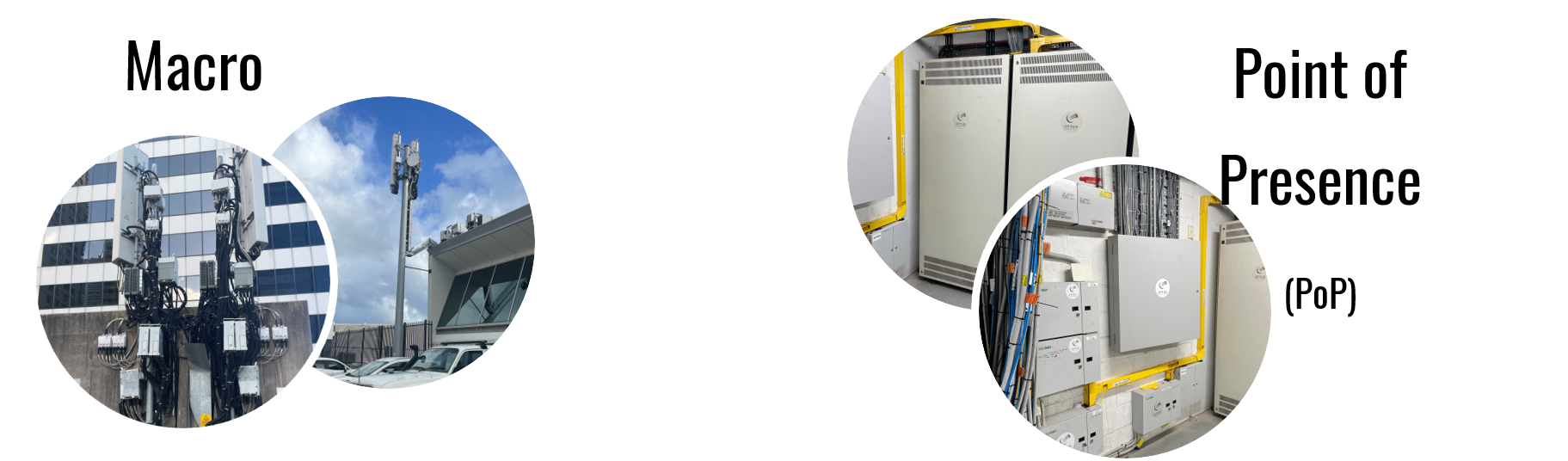
The Macro towers (and antennas) form part of the carrier’s outdoor network and whilst often located on a façade or a rooftop are primarily providing outdoor coverage to the general public not the tenants or the visitors of the sites they are mounted on. Similarly, a Point of Presence is hub or exchange located in or on the building and is used to distribute services to nearby sites. A Point of Presence could be operated from racks within a dedicated leased room or the site MDF room.
These 2 types of equipment are difficult for the carriers to relocate and this is often reflected in the length of the tenure in the license/lease agreements between the landlord and the carriers. It is important that the landlord has completed a review of the agreements to ensure they are able to break the agreements if needed. There are typically significant financial penalties associated with breaking a license/lease agreement requiring the carriers to relocate their equipment if the appropriate development/redevelopment clauses are not present in the commercial agreement or tenure has not been concluded. Identifying and relocating to new tower locations and redirecting/rerunning fibre services can take in excess of 12 months.
Telecommunication services that are likely serving the tenants and visitors to the site include fibre connections to individual tenancies, a Distributed Antenna System (DAS) that is used to provide in building mobile coverage and small cells / repeaters used to address coverage or capacity gaps in parts of the site.
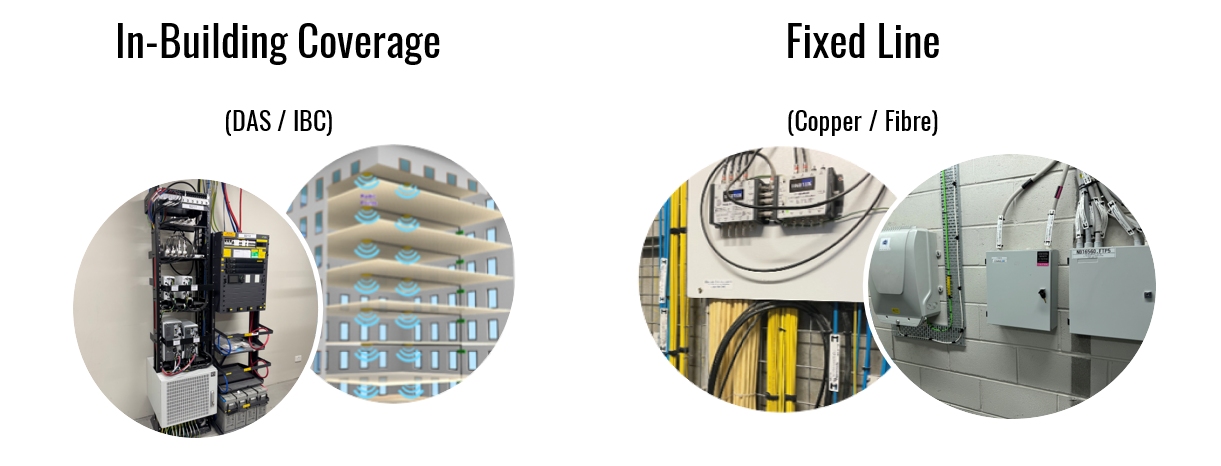
As these infrastructure types are servicing the building and its occupants, once the occupants depart, there is no commercial reason for the service to exist. The carriers may opt to come to site and retrieve elements of the systems that can be deployed elsewhere or may advise the landlord that the equipment can be disposed of as part of the demolition. These equipment types will likely be governed by commercial agreements, including LAANs for the fibre connections to the tenancies and license agreements for DAS and small cells/ repeaters.
In any situation where a redevelopment or demolition is being considered or planned it is recommended that there is a review of the licenses/agreements relating to the telecommunications infrastructure present on site. The agreements will likely include details of any notice periods with regards to relocation or redevelopment.
Telco Access Services provides a suite of services supporting landlords with interactions with telecommunication service providers, including support with demolition and redevelopment of commercial properties.