
The economics of the telecommunications market in Australia continue to evolve. While network speeds improve, network capacity increases and data consumption increases the carrier’s top line performance stagnates with very few new use cases for the carriers at this point in time. As a result, the carriers are looking to continuously optimise their cost base. The carriers continue to look to reduce the level of rents payable to landlords for accommodating their network infrastructure and in the case of DAS infrastructure have largely pushed the cost of inbuilding mobile coverage onto the landlords. DAS infrastructure is seen as a utility in the same vein as plumbing, electrical and mechanical services required by a landlord to operate their primary business.
The two main sources of income for landlords hosting telecommunications network infrastructure centre around Macro installations serving users via the outdoor network and Points of Presence – PoP (fibre hubs/exchanges) with fibre cabling serving multiple sites. Landlords looking to secure income from these sources could engage carriers and/or tower companies to make them aware of their interest. It should be noted that not all buildings are suitable to host telecommunications infrastructure. In the case of macros/ towers for the outdoor networks often the height of the building is a barrier. Beyond 15-20 floors in height is a limitation for cellular infrastructure. In the case of Points of Presence it is often subject to service demand vs availability of access.
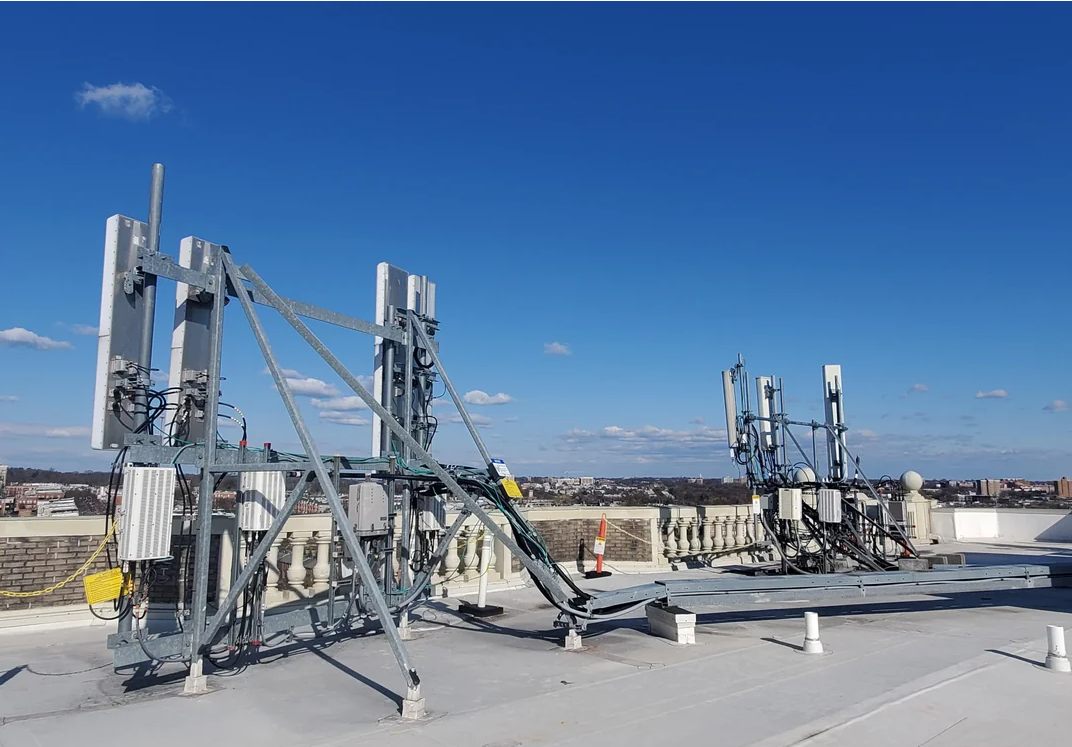
Historically, when DAS solutions were installed and funded by the carriers to drive up mobile adoption carriers were prepared to pay landlords for the privilege of having coverage in their buildings. However, with the shift in the business model and indoor coverage primarily being funded by landlords today there is very limited opportunity to secure rental income from the carriers. Today, the vast mast majority of income derived from DAS infrastructure relates to older DAS deployments where agreements have moved beyond initial tenure and are now in holdover.
In the case of most telecommunication infrastructure deployments for Macros and Points of Presence the carriers are looking for lengthy deployment i.e. 20-30 years. They will often include a clause in the agreement that prevents the landlord from terminating the agreement within 10 years from the initial deployment without significant amounts of compensation. Landlords should also note there is an inherent cost of managing access and other license conditions as part of any arrangement. Considerations around structural, environmental, visual and economic impact should be considered as part of evaluating any proposal to install telecommunications infrastructure.
Over the last few years, we have seen some landlords being approached by entities offering to purchase the exclusive rights to their rooftops with a view to on-selling the space to the carriers at a premium. In most situations, this appears very opportunistic, and landlords should consider the risks of forgoing rights for a significant period of time.
Telco Access Services provide a suite of services supporting landlords with interactions with telecommunication service providers, including support in evaluating commercial proposals from carriers.